For journalists

Press room

Verified facts, key data and a media contact. Miriam González's case, ready to be told accurately.

Always in writing, with no calls or meetings beforehand. Tell us the outlet, format, date, length and questions, and whether there's an image or recording release or a fee. Miriam does interviews in Spanish and English. She or someone on the team will reply.

Key facts

Who
Miriam González, 35, software engineer and tech communicator (Region of Murcia, Spain).
The case
Metastatic breast cancer with tumor biology outside standard guidelines. Miriam uses artificial intelligence and an international network of specialists to push for precision oncology that standard protocols don't cover yet.
So far
Already done: the review by the international molecular tumor board (WIN Consortium, 21 May 2026) and the bone rebiopsy with a molecular panel (Zürich, 8 July 2026). The first results of the cell-by-cell analysis arrived on 16 October 2026; analysis of the tissue is still under way.
What she needs
What she needs now is funding for the tissue analysis, consultations and travel on the way to a personalized treatment.
How to refer to her
Yes:
  • "software engineer"
  • "tech communicator"
  • "personalized vaccine"
  • "35 years old"
No:
  • Say "engineer"; avoid any other title
  • "patient" as an identity (she is active)
  • doctor or hospital names without permission
  • molecular or clinical figures, in headlines and in the body
  • war language: "battle", "fight", "warrior"
  • pink ribbon and sensationalism
  • a translation presented as a literal quote
See the full timeline

Press room reviewed on

Short and long bio

Short (for press notes, newsletters or media briefs)

Miriam González, 35, is a software engineer and tech communicator. She investigates her own metastatic breast cancer with artificial intelligence and an international team, in the open, to find treatment options that conventional oncology doesn't offer.

Long (for profiles and introductions)

Miriam González is 35, a software engineer and tech communicator from the Region of Murcia, Spain. She has metastatic breast cancer and investigates it herself, in the open, with artificial intelligence and a network of specialists in 3 countries, under the name "Beyond the Protocol". She is looking for personalized treatment options that conventional oncology doesn't offer, and she documents the way on helpmiriam.com so other people whose tumors fall outside the guidelines can use it. There she publishes the science of her case, the timeline and spending by category. She does interviews in Spanish and English, always starting in writing.

Materials for your story

Quotable quotes

Quotes 1 to 3 were said in Spanish and are translated here; the original is under each one. Quote 4 was written in English. Use them as they are, with their source.

  • I'm not asking for guarantees — I'm asking for opportunities.

    El Español, 19 Jun 2026

    Translated from Spanish · Original: «No pido garantías, pido oportunidades.»

  • That rare cases stop being footnotes and become data, studies, real options.

    X/@miriamgonp, 11 Apr 2026

    Translated from Spanish · Original: «Que los casos raros dejen de ser notas a pie de página y pasen a ser datos, estudios, opciones reales.»

  • I use AI to amplify my knowledge.

    El Español, 19 Jun 2026

    Translated from Spanish · Original: «Uso la IA para amplificar mi conocimiento.»

  • AI doesn't replace them — it helps me meet them halfway.

    X/@miriamgonp, 12 Apr 2026

    Original in English

Press photographs

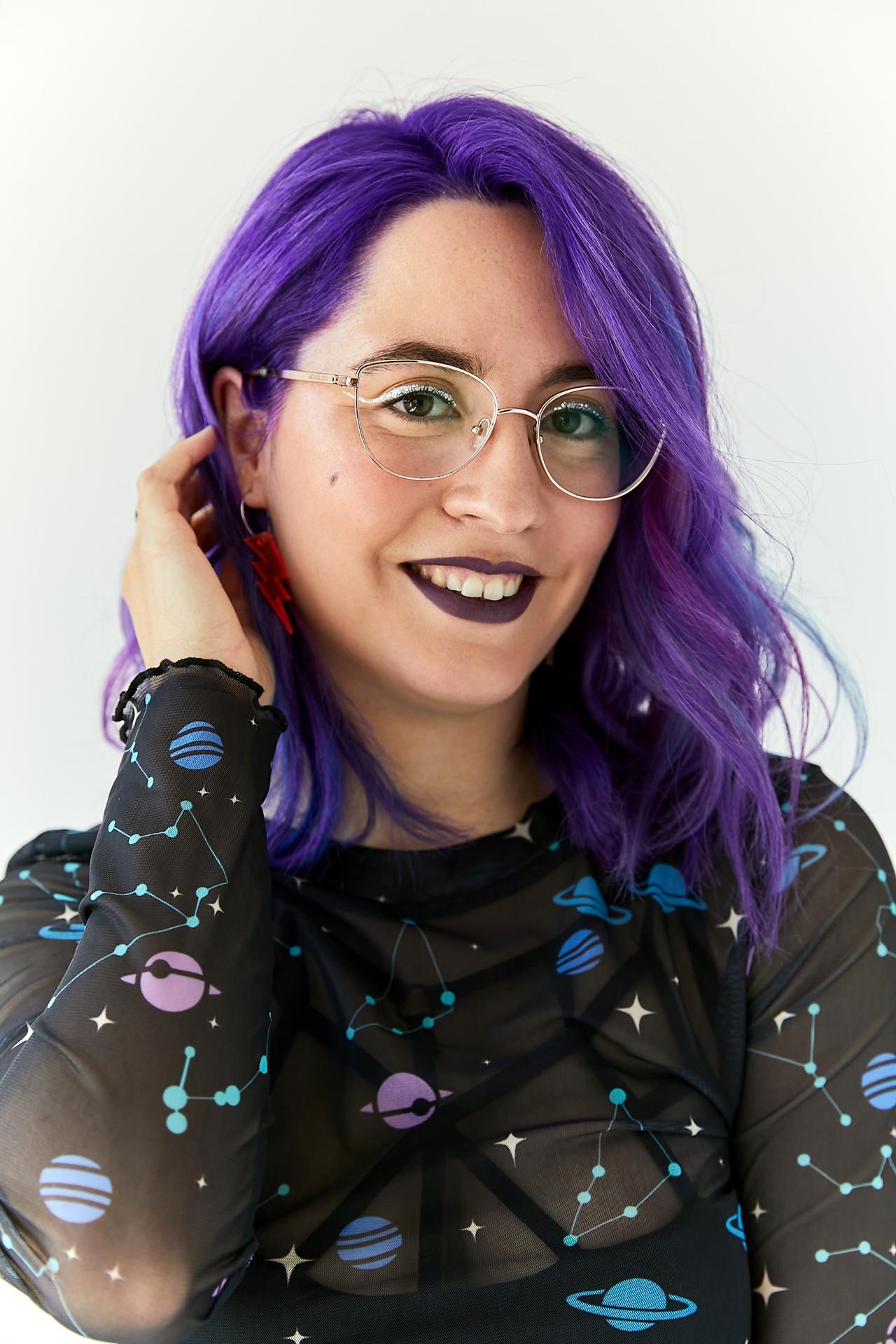
Miriam González, editorial portrait
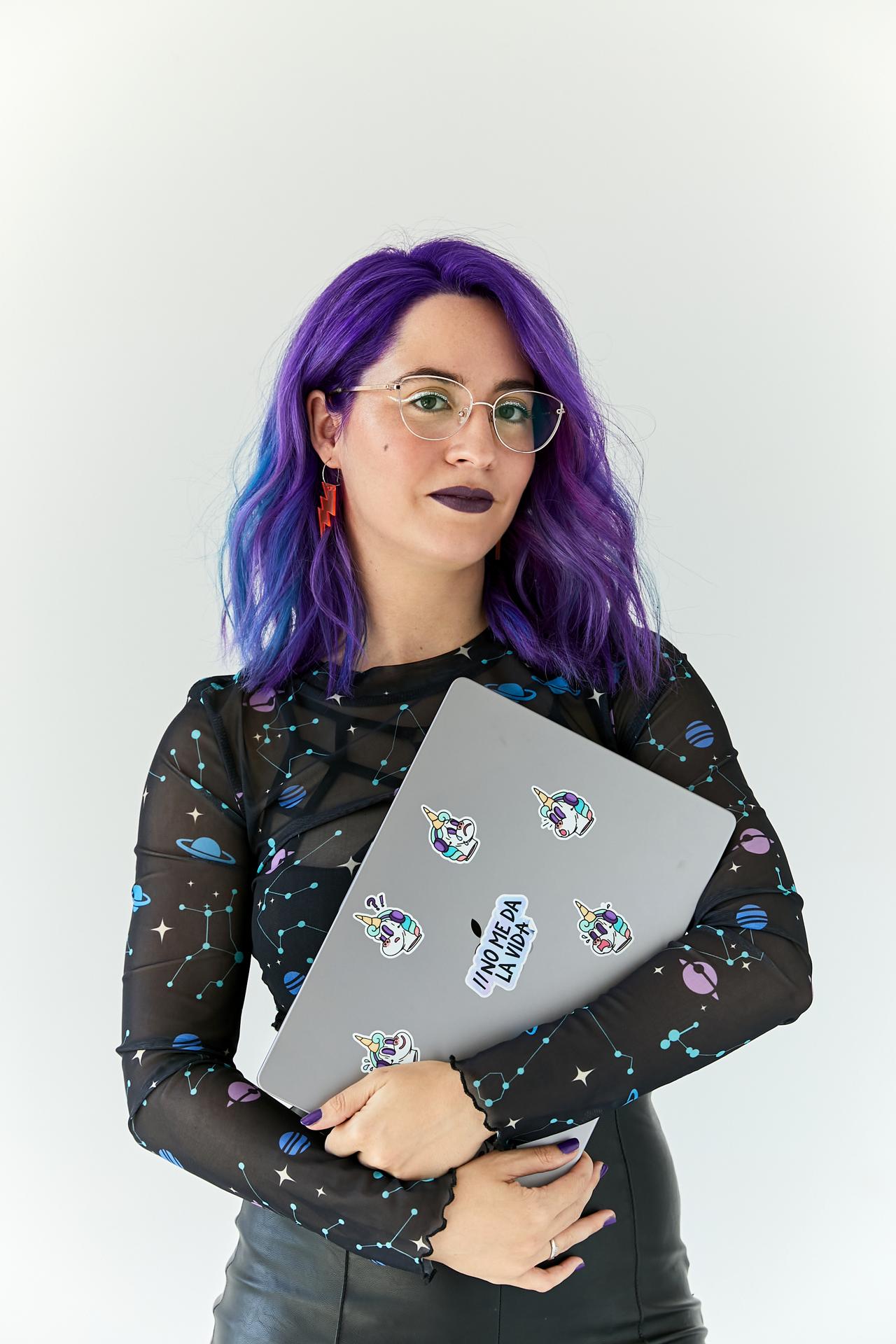
Miriam González working with her laptop

Full-resolution images available on request. Credit required: © Itziar Barros (itziarbarros.com).

Video

Length:

Polaris, so far

How I work with a team of AI agents to understand my case: what Polaris does, what it leaves as a draft and what I sign off myself.

Read the transcript

I have a rare breast cancer. Ultra-rare, actually, and metastatic. My tumor has two sides, and the standard protocols don't really account for that.

So I had to go further and find out what my real options were.

I'm an engineer. I built Polaris because I needed it. It's a team of AI agents with one written goal: N-E-D. No evidence of disease. And nothing leaves the system without my sign-off.

What it's helped me with most is getting to know my own tumor. Understanding it, and even seeing it.

It turned my scans into 3D maps of my lesions. I used the bone map to help choose which one to biopsy.

Every day, it searches for trials all over the world, and turns up options I wouldn't have found on my own.

On the practical side, it helps me work out how my samples get to the labs, sort through the messages people send me, and plan my trips for treatment. It takes so much off my plate.

It even helped me build the website where I share all of it.

And honestly, a lot more that I'm forgetting right now.

It doesn't decide. My doctors do. But I walk into my appointments understanding my own case.

We're still going for N-E-D.

My whole case is explained at helpmiriam.com.

All tools

The case in the media

Frequently asked questions

How does she use AI?

To analyze her case and understand it better. It doesn't replace her doctors; it helps her walk into appointments with better questions.

Where does the money come from, and how do I know where it goes?

From a public GoFundMe campaign. We are transparent: we show figures and spending by category; we do not detail invoices or personal data.

Where the money goes
Can I ask about her current treatment?

What Miriam has made public is in the timeline and the science page. For any clinical detail that isn't there, ask in writing before you publish it.

See the full timeline